
Hosea 10:12
This past November, I took Hosea 10:12 to our quarterly ministers’ conference and preached it as a challenge to our pastors and leaders. By the Lord’s help, we called this verse out as a theme for the Christian Baptist Association. With Christmas and everything surrounding that season, I did not feel it was the right moment to bring it home to our local church. But this morning, it is exactly what God laid on my heart for our congregation, for our sister churches, for every believer who will hear, and even for those who do not yet know Christ.
“Hosea 10:12” is a single verse, but it is a whole message:
“Sow to yourselves in righteousness, reap in mercy; break up your fallow ground: for it is time to seek the LORD, till he come and rain righteousness upon you.” (Hosea 10:12, KJV)
A Good Heritage, But a Present Question
The psalmist said God has given us a goodly heritage. When we begin to think of the blessings on our lives, we can get overwhelmed, in a good way. Testimonies of salvation. Testimonies of God’s protection. Testimonies of God’s provision. We truly ought to be a thankful people.
It is easy to get focused on what we do not have, to covet the ease or blessings others have, and to become unthankful toward God. But if we are honest, we can say: God has been good to us. He has blessed us with heritage.
And then, as we reflect, the Lord presses a deeper question: Are we serving Him now with the same passion we once did? I am turning 41 at the beginning of next month. I have been saved since I was eight years old. God called me to preach at 16 years old. This August, August 11th, I will have been preaching 25 years. That is a long time. There are times where I found my passion lacking in comparison to where I started.
So I ask the church to do what every believer needs to do from time to time: look back over your life. Think about where you were when you were in sin, without Christ, and how far God has brought you. Then do not just remember the mountain peaks when you “felt good,” but remember the seasons when your service to the Lord was at its peak.
Then ask it plainly: “Lord, am I serving You with the same passion? Am I serving You with the same faith? Or have I been coasting? Have I grown stale?”
A good heritage is a blessing, but it does not replace a living relationship. We may start well, but it matters if we finish well.
Israel’s Problem: Their “Field” Changed
Hosea is speaking to a people with heritage. They were God’s people. But they drifted.
The very next verse shows what was happening:
“Ye have plowed wickedness, ye have reaped iniquity; ye have eaten the fruit of lies: because thou didst trust in thy way, in the multitude of thy mighty men.” (Hosea 10:13, KJV)
Israel began to go after the idols and patterns of the surrounding nations. They brought in the world’s culture and ways until they looked more like the world than like the people of God. Their distinctiveness was lost. They had heritage, but they were planting the wrong seed and harvesting the bitter fruit.
So Hosea tells them to change what they are planting: sow righteousness, reap mercy. But before he even gets to the sowing and reaping, he gives a command that comes first.
What Is “Fallow Ground”?
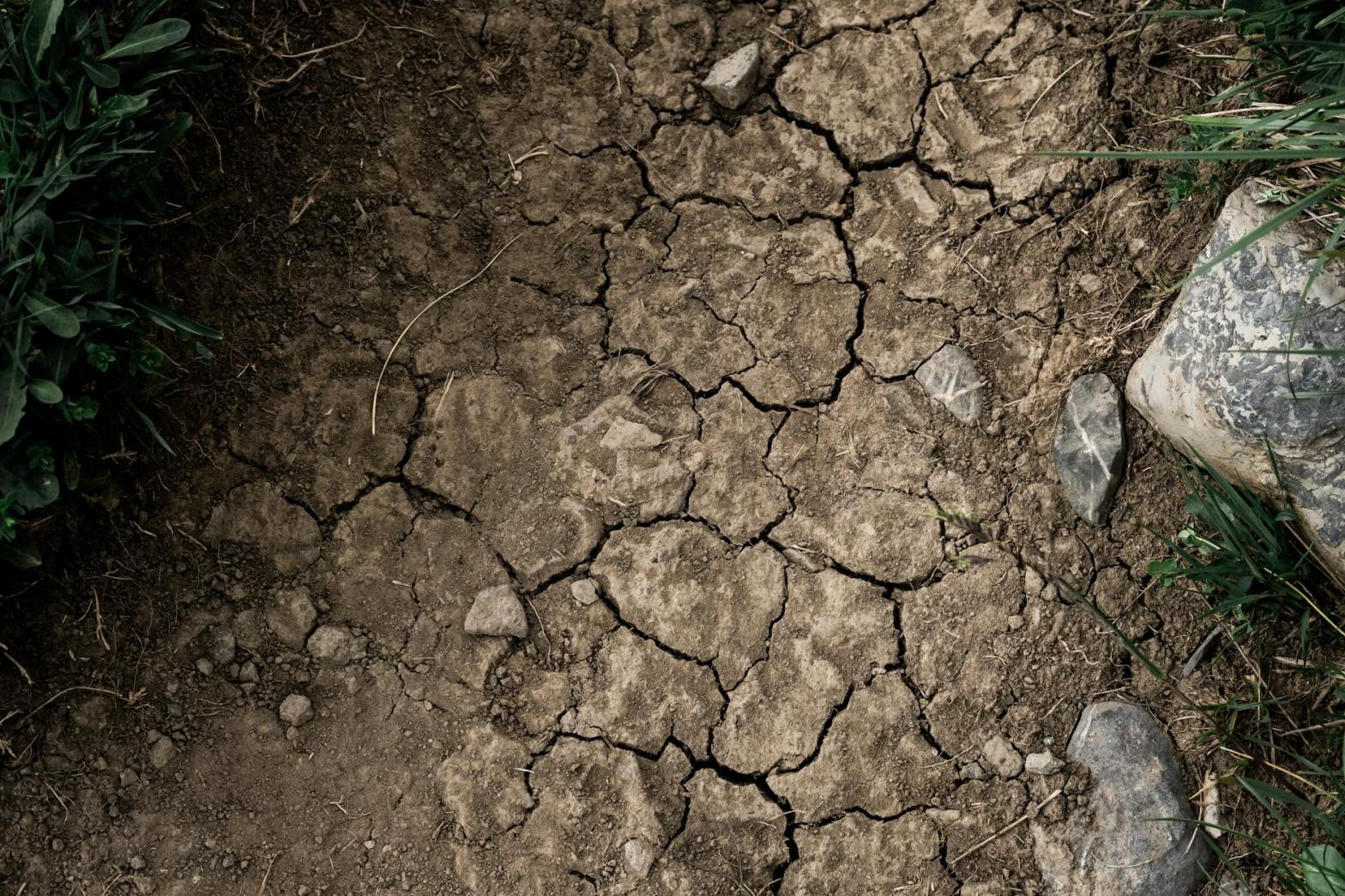
“Break up your fallow ground…”
When I was growing up in Kentucky, we had 83 acres of hillside. We did not do much farming. We joked we were “grass farmers” because we mowed a lot of grass and didn’t have any gardens. So for a long time, when I heard “fallow ground,” I thought it meant ground that was simply hard.
But fallow ground is not just hard ground that has never been used. Fallow ground is ground that was prepared once before. It was plowed, fertilized, productive for a season or two, and then left dormant. It still has nutrients. It still has potential. But because it has been unused, the surface has hardened again. The potential is real, but it has become resistant.
That picture is painfully accurate spiritually. A fallow heart is not necessarily an “atheist heart.” It can be a church heart. A believer’s heart. A worker’s heart. A heart that once produced fruit, but has been left unattended long enough that it resists what God wants to do next.
The Word Can Be Right, But the Soil Can Be Wrong
Jesus gives us another way to understand this in Matthew 13, the parable of the sower. The seed is the Word of God. The soils represent hearts. Some seed falls by the wayside and is taken. Some falls on stony ground and withers. Some falls among thorns and is choked. And some falls into good ground and brings forth fruit.
The determining factor is not the power of the seed. It is the condition of the soil.
So we bring that right back to Hosea: God is calling them to sow in righteousness, but if their hearts are not broken up, if their hearts are not prepared to receive and respond to God, the Word will not take root like it should.
That is why a person can go to church, read their Bible, pray, and do “religious things,” but still not bear the fruit God intended—because the heart is closed. It is like throwing seed on unplowed ground.
It does not matter how much potential is “under the surface.” If we will not open our hearts to God, nothing grows like it should.
Accidental Growth vs. Intentional Fruit
I used an illustration that is almost funny—until you realize how true it can be.
When spring comes in Ohio, everything starts growing. The grass gets green. The weeds pop up. Trees bud. Flowers bloom. And I know what I will have to do: get a ladder and clean out my gutters. Why? Because sometimes a little seed blows into the gutter, finds just enough dirt to take root, and a little plant starts growing in a place it was never meant to grow.
Is that what our spiritual growth has become? Not a cultivated harvest, but accidental growth in a gutter?
You might see “some blessing” here and there. Something might “grow” once in a while. But it is not the harvest God intended when the heart is left fallow.
God is calling His people to something better than accidental growth. He is calling us to intentional fruit, fruit that comes from a heart that has been broken up and prepared.
Why We Resist Breaking Ground
Breaking up fallow ground sounds like work, because it is.
Many of the blessings of God and opportunities He sends our way come disguised as work, or come packaged in something that makes us uncomfortable. We say we want people saved, but we do not want the cost of going and telling. We say we want spiritual strength, but we will not pick up our Bibles. We say we want God to bless, but we resist the very “breaking” that prepares our hearts to receive what He wants to give.
We used to mow huge stretches of hillside to keep it cleaned up. And part of the reason was simple, snakes. My grandfather was weed-eating one day, and a blacksnake crawled up his pant leg. He ended up rolling down the hill in a sanctified panic trying to get away from it. We wanted the “clean hillside,” but the clean hillside required work.
We want the results. We do not always want the labor. But Hosea’s command is not optional: “Break up your fallow ground, for it is time to seek the LORD.”
Spiritual Fatigue Can Make the Heart Hard
Sometimes the heart grows fallow because of hidden sin. Sometimes it is complacency. And sometimes it is something simpler: we just get tired.
Look at the disciples in Mark 6. They saw Jesus feed the multitude. They collected the baskets. And then later that night, they were toiling in rowing because the wind was contrary. Jesus came walking on the water. He calmed them. And Scripture says they were amazed, because they “considered not the miracle of the loaves.”
Not even twelve hours earlier they had witnessed God’s power, and yet fatigue dulled their spiritual awareness.
That happens to us. We stay busy. Our schedules fill up. We run nonstop. And when we are spiritually fatigued, we stop hearing. We stop noticing what God is doing. The ground hardens.
That is why this is not mainly a “new program” message. God is not first calling us to better schedules. God is calling us to renewed hearts.
Leaving First Love: When Church Becomes Motion
Psalm 85:6 asks the right question: “Wilt thou not revive us again…?”
And Revelation 2 shows us a church that was doing “church” well. Ephesus had doctrine. Endurance. Trials. Faithfulness. But Jesus said something was missing:
“Nevertheless I have somewhat against thee, because thou hast left thy first love. Remember therefore from whence thou art fallen, and repent, and do the first works…” (Revelation 2:4–5, KJV)
They were doing the right activities, but the love had cooled. It became motion without affection. And Jesus calls them back, not to something complicated, but to repentance and first works, the simple overflow of love for God.
The Question Jesus Asked Peter
God starts with love.
After Peter denied Jesus three times, Jesus restored him in John 21. And what is the first question Jesus asked?
“Do you love me?”
He did not start with: “Peter, what new ministry will you build?” He started in the ground. The heart. The love.
“Peter, do you love me?”
“Yes, Lord.”
“Feed my sheep.”
And Jesus asked him three times, one for every denial. Restoration came with a heart question: Do you love Me?
That same question comes to us.
When “I Love You” Is Only a Phrase
I brought it home with something close to everyday life. Abbie and I have been married almost 17 years. We have been together a long time. When you live life shoulder-to-shoulder, it is possible to spend a lot of time together, and yet let love grow dim if you are not careful.
You can say, “I love you,” and still not mean it deeply. You can do all the routines and still be drifting inside.
And it is the same with God.
You can be in church. You can sing. You can tithe. You can preach. You can sit in the seats. You can do the churchy things. And still, love can grow cold until your service feels like a job.
Jesus comes to us like He came to Peter and asks first: “Do you love me?”
And we might answer with a list: “Yes, Lord, I do this… yes, Lord, I do that…” But God knows whether we mean it.
The call today is not to “try harder” in the flesh. The call today is to break up the fallow ground, to repent where love has cooled, to return where attention has wandered, to soften where hurt has hardened us, to open where distractions have shut us down.
Time to Check the Ground
“Break up your fallow ground: for it is time to seek the LORD…”
That is the invitation and the warning. The ground is your heart. Your soul. Your attention. Your affections. What your eyes are on.
Has it grown hard? Has God called you to something and you walked away because something distracted you, something hurt you, something pulled you off course? Have you grown cold? Have you been coasting?
This is the moment to check the ground.
And if you can honestly say, “Lord, I love You,” then let your serving flow out of that love. But if you cannot say it with fullness, then come and pray: “Lord, forgive me for the shallowness of the life I have tried to serve You out of. I do love You, and I want to love You more. Break up the fallow ground in me.”
Because the seed is good. The Word is living. The harvest God intends is real.
But it starts here: a heart broken up, softened, and returned to first love.
Sermon preached January 11, 2026 at Columbus First Christian Baptist.
 Jeremy Kamer Ministries